How years behind a counter became my best credential for the tech world.
Three years ago, my office was a cosmetics shop. My customers were my learning tool, and the word "churn" didn't even exist in my vocabulary. Today I manage a portfolio of accounts at a SaaS company, from home, with direct C-Level communication. The change was big. But above all, it was a decision.
This is the story of how I moved from retail to SaaS — and why I believe the skills you learn working with people are worth gold in tech.
Retail: My School of Empathy
I'm Daniela. I came to Spain in 2015, at 19, with no degree — just my high-school diploma. I started out taking public training courses and working as a shop assistant. I didn't give up: I took stock of every skill I'd built over years of customer service, combined it with my passion for technology and travel, and drew myself a plan. I took programming courses, but I soon realized my thing went beyond code. What I truly loved was working with customers: selling, solving problems, analyzing sales, training teams, helping other people communicate better. I researched what jobs I could do remotely with the skills I already had and — there it was — a role appeared on my radar: Customer Success Specialist.
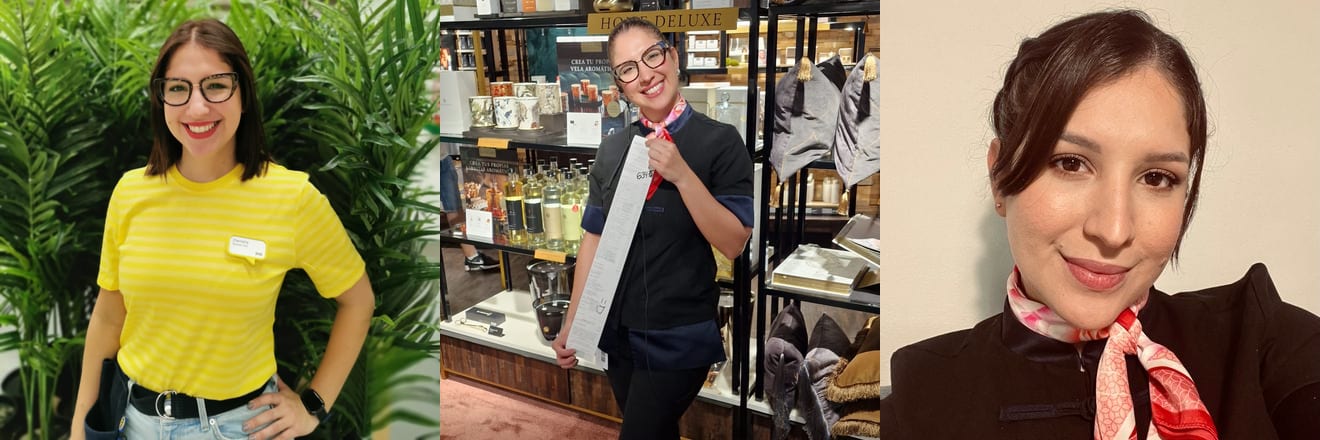
I believe working in a physical shop and experiencing a face-to-face sale is something everyone who works with customers should live through. Talking to each customer, connecting with a smile, holding eye contact, even giving little hand massages so they could try our creams and oils. The connection went beyond the transaction, and retention — honestly — began before the sale, not after.
Retail taught me so much. Resilience. Spotting opportunities and analyzing what wasn't working during the quiet hours. Listening to my colleagues sell and learning from them. Live multitasking: restocking, checking out, cleaning, and selling almost all at once is a real school of prioritization. And live problem-solving thrilled me: a customer would show up with a problem you didn't see coming, and you had to prove your communication and empathy skills on the spot.
There was also the human side, which was genuinely enriching: the daily contact, hugging my colleagues, celebrating a birthday, cheering each other's wins and supporting each other through the misses. Teamwork fills you up. And the satisfaction of a customer coming back, recognizing you, and saying "thank you, I tried what you recommended and it worked" — that constant feedback that fills your heart and keeps you going — is priceless.
And I was good at it: I raised my shop's conversion rate from 30% to 45% and won two sales challenges at the Iberian level. And even so, my question was a different one: how do I convey all these emotions through a screen?
The Fear of Saying "Yes": The Jump to SaaS
My first days in tech were a bit of a shock. CRM, chat, calls, remote work, all at once. But my transferable skills were gold: empathy, communication, problem-solving.
It was quite a change to go from catching the bus every morning to turning my home into my workplace. At first it felt strange; little by little, I liked it more. What surprised me most was relating to my colleagues through tools like Slack, coming from years of personal, face-to-face contact every day. But I got used to it — until I realized that relationships, with colleagues and customers alike, often cross the screen, and you come to feel them almost as if the person were right in front of you.
I was already comfortable with Excel, so that wasn't a problem. Before starting, I took several free CRM courses that the platforms themselves offer, and it took me very little to handle and organize it. I loved customer meetings, with questions very different from the ones I was used to — a real challenge. And that's how I adapted to a different kind of multitasking: chat, calls, emails. I won't lie: I liked it more and more.
From the Shop to Home: Remote Work Was the Best Change
I truly enjoyed this part. I went from working late nights, weekends, holidays, Decembers, summers, and restricted vacation time… to managing my own time and my own day from home. The work-life balance that a hybrid or remote model offers is comforting. You're more productive without the distractions of the shop, you have the flexibility to travel — something I love and that weighed heavily on my decision — and you can plan better, because you more or less know your schedule for the whole year. In retail, by contrast, shifts can change every week or even every day.
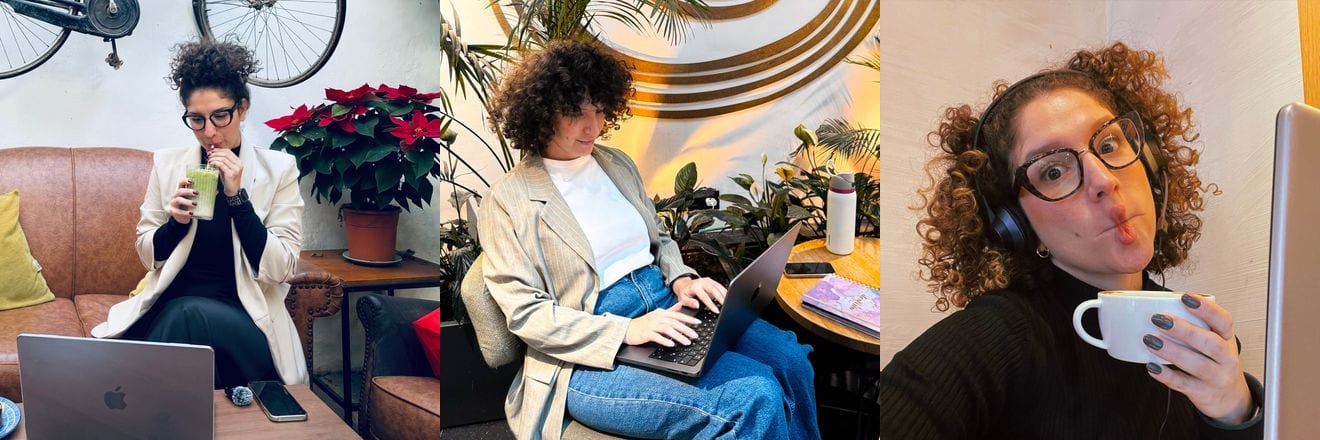
At first it felt odd to have my afternoons free from five or six o'clock, or to enjoy weekends and long weekends off. And I thought: you really have to decide what you want to spend the rest of your life doing, and prioritize peace of mind.
If You're Thinking About Changing Careers
You don't need to have it all figured out. You need the right mindset and the right steps. One piece of advice helped me enormously: build yourself a roadmap. Study the LinkedIn profiles of people who've made the transition you want. How did they do it? What did they study? What courses did they take? Then ask yourself: what do I do today in my job that could add value at a tech company? Which skills will serve me in the future, and how do I make the most of them?
And, honestly — go for it. It's completely worth it. Don't assume it'll be too hard: remember that every "no" you get brings you closer to that definitive "yes," and that the skills you learn in the school of life — work — are always yours to use, wherever you are.
Just start.